
Compliance Is Not a Once-a-Year Event. TechOwl Shield Ensures It.
Continuously validate security controls, track compliance posture, and maintain audit-ready evidence across your organization.
Continuously validate security controls, track compliance posture, and maintain audit-ready evidence across your organization.
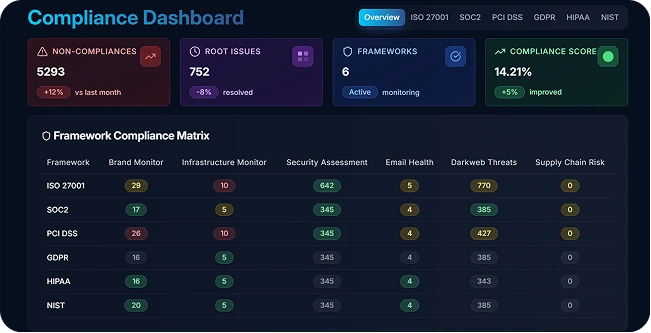
Compliance monitoring is the ongoing process of validating that security controls are functioning as required by applicable regulations and industry standards. Instead of relying on assessments that quickly become outdated, TechOwl Shield continuously maps security observations to compliance requirements, helping organizations maintain visibility into control effectiveness, compliance gaps, and remediation progress throughout the year.

Spreadsheets, fragmented evidence, and periodic reviews create blind spots that make compliance management time-consuming and difficult to maintain.

Teams often spend weeks gathering documentation, validating controls, and responding to auditor requests under tight deadlines.

Security controls change over time as environments evolve, creating compliance risks that frequently go unnoticed until an assessment occurs.

Leadership teams need a clear understanding of compliance posture, open gaps, and remediation progress without relying on technical reports.
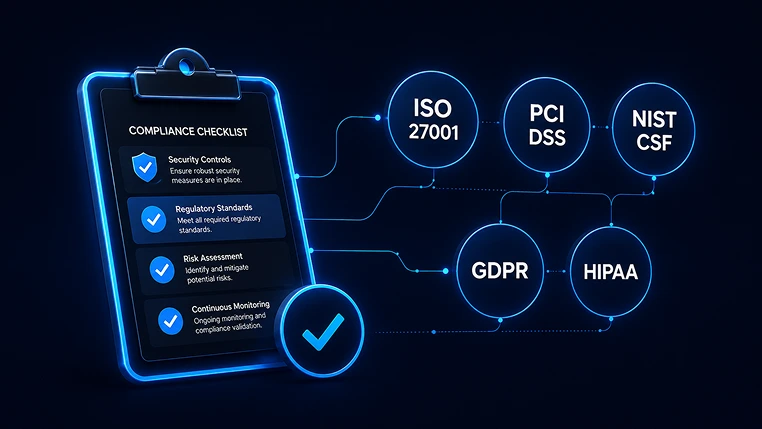
Map security posture data and monitoring findings to leading frameworks including ISO/IEC 27001, PCI DSS, NIST Cybersecurity Framework, DPDP, GDPR, RBI and SEBI guidelines, CERT-IN requirements, and HIPAA. Compliance gaps are prioritized so teams can address issues before audits begin.
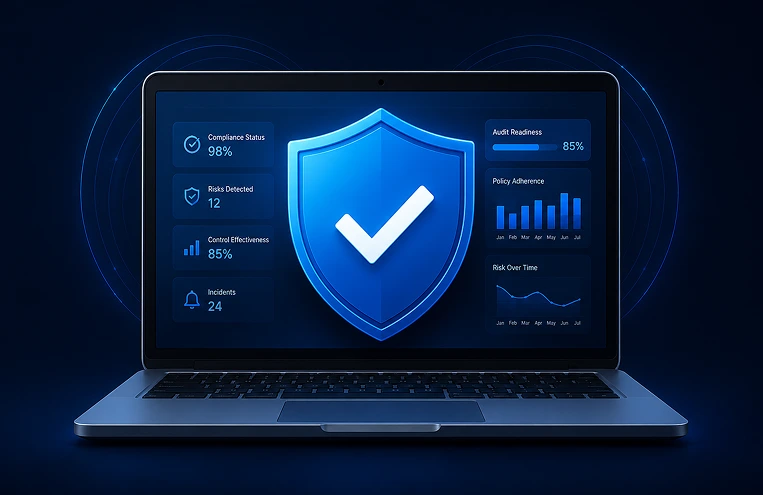
Continuously validate security controls, email authentication configurations, external asset exposure, dark web leak indicators, and infrastructure security posture. Every observation is documented to create a reliable audit trail.
Generate structured compliance reports on a scheduled or on-demand basis, providing documented evidence of monitoring coverage, findings, remediation activities, and control status across the environment.
Identify incidents with potential regulatory impact and evaluate notification obligations under applicable frameworks such as DPDP, GDPR, and industry-specific regulations.

Continuously collect and analyze security observations across assets, infrastructure, email systems, and external attack surfaces.

Align findings to applicable compliance frameworks and security control requirements automatically.

Confirm that critical controls remain operational and identify gaps that require remediation.

Maintain a real-time view of compliance posture rather than relying on periodic assessments.

Reduce the effort required to collect evidence and demonstrate control effectiveness during audits.

Identify compliance issues, control failures, and exposure risks before they become regulatory concerns.

Provide CISOs, CFOs, and board stakeholders with clear visibility into compliance performance and remediation progress.
Monitor controls, identify compliance gaps early, and maintain audit-ready evidence across your entire attack surface.